
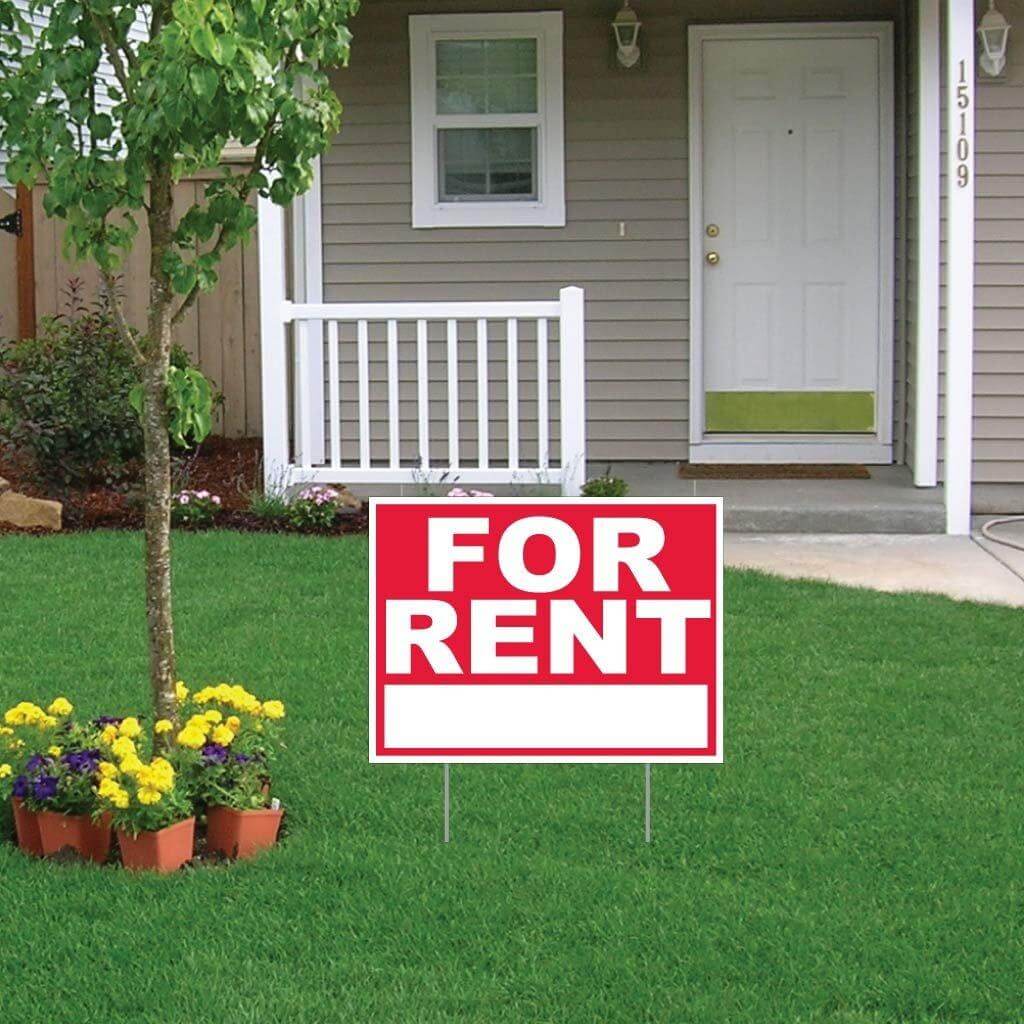
The rental market is changing.
In many areas, vacancy is rising, properties are taking longer to rent, and renters have more options than they did a few years ago. That does not mean the market is bad, but it does mean landlords need to adjust how they think about pricing, vacancy, and overall returns.
At Candlewood Property Management, we manage roughly 1,200 rental units, so we see firsthand how quickly renter behavior can change. A rent that worked six months ago may not work today. A property that once rented in a few days may now take several weeks.
That is why we are putting together this three-part series on what landlords should know in a slowing rental market.
The biggest takeaway is simple: the goal should not always be to get the highest possible monthly rent. The goal should be to maximize the total return on the property.
A Simple Example
Let’s say you own a two-bedroom apartment that rents for $1,000 per month.
At full occupancy, that property generates $12,000 per year.
Now imagine the tenant moves out and the apartment sits vacant for one month because the owner is holding firm at $1,000.
That leaves the owner with $11,000 in annual rent.
Now compare that with lowering the rent by just $50 and renting it immediately at $950 per month.
That property would generate $11,400 over the year.
In other words, accepting $50 less per month actually puts $400 more in the owner’s pocket than losing one month of rent.
If the apartment sits vacant for two months, the difference becomes much larger.
At $1,000 per month with two months of vacancy, annual income drops to $10,000.
At $950 per month with full occupancy, annual income is $11,400.
That is a $1,400 difference.
This is why we encourage owners to look beyond the monthly rent number and focus on the bigger picture.
A $50 or $100 adjustment can feel significant when you are looking at it month by month. But compared with the cost of vacancy, it may actually be the better financial decision.
The market is not always going to support higher rent just because expenses went up or because the property rented for more in the past.
Sometimes the smartest decision is to raise the rent.
Sometimes it is to leave it alone.
And sometimes, lowering it slightly can actually make the owner more money.
In Part 2, we will look at how landlords can tell when it may be time to adjust the rent and what signs to watch for before a vacancy becomes unnecessarily expensive.