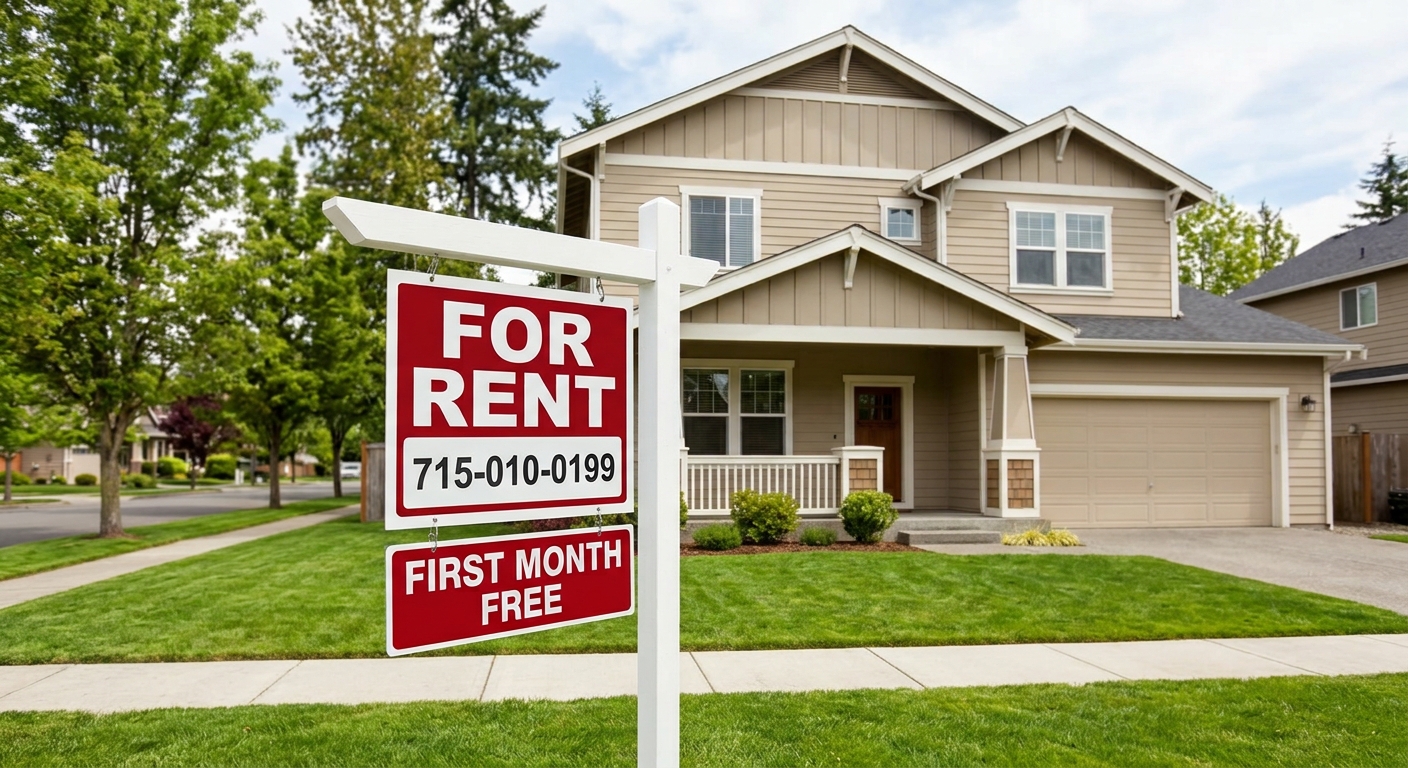
If your last vacancy took a little longer to fill, or a prospective tenant asked whether you would "do anything on the rent," you are not imagining it. After several years where units leased almost as fast as we could photograph them, the rental market has shifted into a slower gear. That is true here in Central Wisconsin, it is true across the state, and it is true nationally.
Here in Central Wisconsin, vacancy is the highest we have seen in recent memory, and our local market now looks a lot like the national one.
The good news: a slower market is not a broken market. Demand for rental housing is still solid, and the owners who adjust early tend to come out of these stretches with fewer vacant days and stronger tenant retention. Here is what the numbers show, why it is happening, and how we are approaching it on your behalf.
The National Picture: More Supply, More Competition
Nationally, the story of 2026 has been a wave of newly built apartments meeting a renter pool that is not growing as fast.
- Vacancy is elevated. CoStar and Apartments.com put the national apartment vacancy rate at 8.2% in the second quarter of 2026, and they expect it to climb to roughly 8.8% by year end before peaking in early 2027.
- Rent growth is modest. The national average apartment rent was about $1,747 in July, up only about 1% from a year earlier. CoStar's forecast calls for annual rent growth of around half a percent by the end of 2026, and its long-term outlook sits below historical norms.
- Single-family rentals are cooling too. Cotality reported single-family rents up 1.3% year over year in May 2026, roughly half the 2.6% pace of a year earlier.
- Renters have negotiating power. In September, 39.6% of rental listings on Zillow offered some kind of concession, such as free rent or a reduced deposit. That share has hovered near record levels all year.
To be fair, not every indicator points down. Zillow's asking-rent index rose 2.7% year over year in September as high mortgage rates kept more would-be buyers renting. But even that figure is a fraction of the double-digit increases owners saw in 2021 and 2022, and it is being achieved alongside heavy use of concessions.
The Wisconsin and Midwest Picture: Steady, but Softer
The Midwest avoided the worst of the overbuilding seen in Sun Belt cities, which has kept our region more stable. Stable, however, is not the same as strong.
- Midwest rent growth has slowed well below normal. RealPage data shows Midwest apartment rents up 1.7% for the year ending in the second quarter of 2026, about 1.6 percentage points below the region's long-term norm.
- Older and mid-tier units are feeling it most. Rents on Class C apartments (older, more affordable units) grew just 0.5% over that period, down from 2.7% a year earlier. Class B rents grew 1.5%, down from 3.2%. Much of the single-family and small multifamily housing we manage in Central Wisconsin competes in exactly these tiers.
- Statewide rents are essentially flat. RentCafe and Yardi Matrix put Wisconsin's average apartment rent at $1,615 this spring, up less than 1% from the year before.
- The job market has cooled. The Midwest was the only U.S. region to post net job losses as of mid-2026, according to RealPage. In Wisconsin, the unemployment rate ticked back up to 3.1% in September, the number of unemployed residents has climbed for five straight months, and manufacturing has shed about 3,000 jobs over the past year.
What We Are Seeing in Central Wisconsin
Candlewood has managed rental property in this region since 1999, and vacancy rates across Central Wisconsin are the highest we have seen in recent memory. Our area is now seeing vacancy that mirrors the national average of roughly 8%, something we rarely experienced in years past. Units that once leased within days of listing are sitting longer, we are receiving fewer applications per listing, and more renters are shopping several properties before committing.
Published data for smaller markets like ours is limited, and listing-site averages can swing on a handful of units, but the public numbers point the same direction:
- More options for renters in Wausau. As of mid-October, one major listing site showed 188 apartments available in Wausau with an average asking rent of about $1,407, and several communities were advertising rent specials. Apartments.com also lists more than 100 newly constructed units available in the area, including recent projects like Foundry on 3rd, Evergreen Landing and Westside Commons.
- New supply is still arriving. A 50-unit, income-qualified apartment building in Wausau was scheduled to open this October, adding more choices at the affordable end of the market.
- Prices have softened in Stevens Point. Zumper data shows the median asking rent for a three-bedroom in Stevens Point falling from about $1,580 in January 2026 to about $1,350 by July. Trulia's average Stevens Point rent sat flat at roughly $1,350 from February through June.
- Seasonality is kicking in. Fall and winter are always slower leasing months in our area. Every year, fewer people move between November and February, and the market data above does not yet reflect the usual winter dip.
Why the Rental Market Is Slowing
There is no single cause. It is several forces lining up at once:
- A wave of new construction. Apartments that were started during the low-rate boom of 2021 and 2022 have been finishing over the last two years. Nationally, new units have been delivered faster than renters could absorb them, and Central Wisconsin has added its own share of new buildings. Newer units with modern finishes and move-in specials pull tenants away from older housing.
- Renters have reached an affordability ceiling. Rents rose sharply earlier in the decade, and in many households wages have not kept up. When a tenant's budget is maxed out, they push back on increases, take a roommate, or stay put rather than move up.
- A softer job market. With the Midwest shedding jobs and Wisconsin manufacturing losing positions, some households are delaying moves, doubling up, or relocating for work. Fewer new households forming means fewer new renters.
- Concessions are now the norm. When roughly four in ten listings nationally offer a deal, renters expect one. Large apartment communities can afford a free month to fill a building, and that sets the tone for everyone else.
- Normal seasonal slowdown. The fall and winter months reliably bring fewer applicants and longer days on market, which magnifies everything above.
One counterweight is worth noting: high mortgage rates are keeping many would-be first-time buyers in the rental market longer, which supports demand. And nationally, apartment construction starts in early 2026 fell to their lowest level since 2011, roughly 73% below the 2022 peak. That means the supply wave should taper off over the next year or two, setting the stage for a more balanced market.
What This Means for You as an Owner
In a slower market, the biggest risk to your return is usually not a modest rent adjustment. It is vacant days. A few principles we are applying across the portfolio:
- Price to today's market, not last year's. A unit priced $75 over the market can sit for weeks. On a $1,200 rental, a single vacant month costs $1,200, which is the same as reducing rent by $100 a month for an entire year.
- Keep good tenants. Renewals are the most profitable leases you will sign. A reasonable renewal increase, or in some cases holding rent steady, is often worth far more than the turnover cost, cleaning, repairs and vacancy that come with a move-out.
- Make the unit stand out. When renters have choices, condition and presentation matter more. Fresh paint, clean flooring, good photos and small updates help an older unit compete with new construction.
- Be strategic with incentives. A targeted incentive, such as a reduced first month or waived pet fee, can sometimes fill a unit faster than a permanent rent reduction while protecting your long-term rent level.
- Plan for winter. If you have a lease ending between November and February, talk with us now about renewal timing or adjusting lease terms so future turnovers land in the busier spring and summer months.
The Bottom Line
Vacancy in Central Wisconsin is the highest we have seen in recent memory, and that deserves attention. But the rental market is not collapsing. It is resetting after an unusually hot stretch. Renters have more options today than they have in years, and that rewards owners who are realistic on pricing, focused on retention and committed to well-maintained homes. As new construction slows, we expect conditions to gradually firm up.
In the meantime, our team is watching local leasing activity closely and will continue to recommend pricing and renewal strategies based on what is actually happening in your neighborhood. If you have questions about your property, an upcoming lease expiration or how these trends affect your plans, please reach out. We are always happy to talk it through.
The Candlewood Property Management Team